
Afghanistan Refugee Camp
The original volunteer& story records families living through displacement, limited schooling, uncertain work, and the practical pressure placed on refugee camps.

Story archive
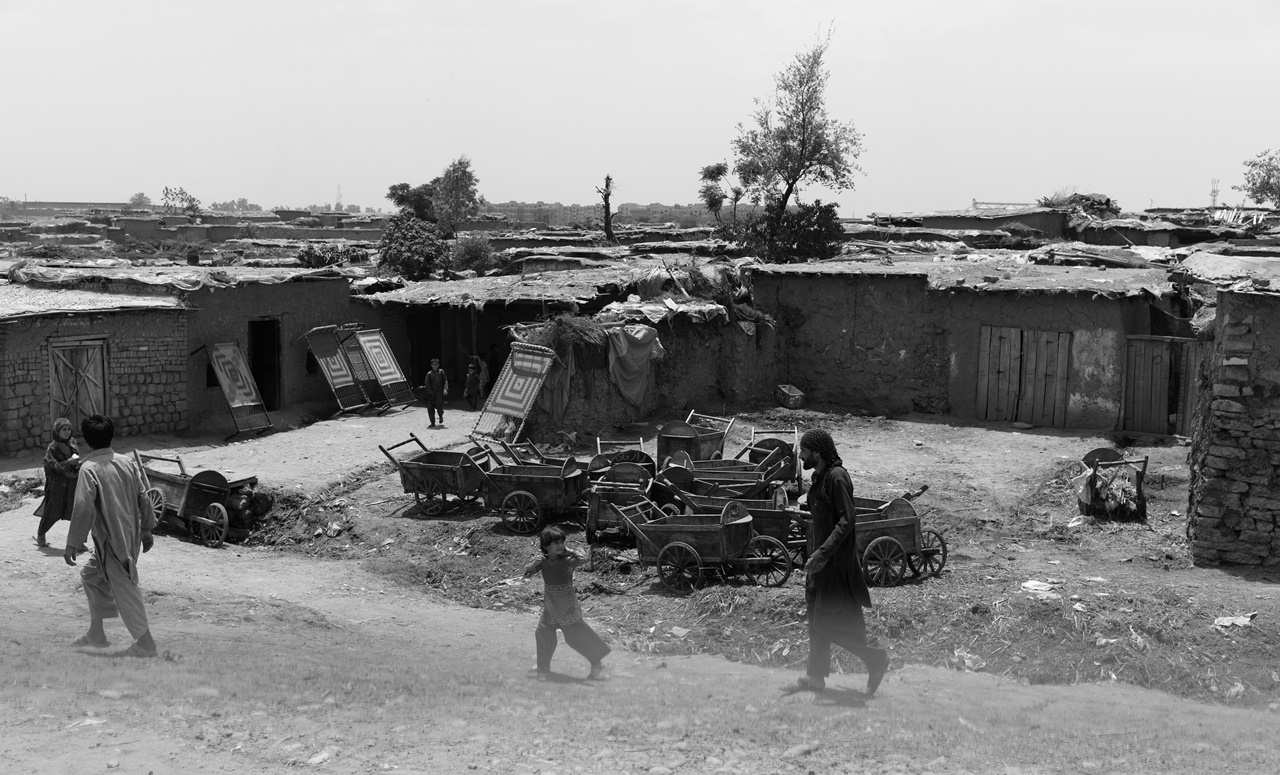
Each story page has four layers: an original field note, a learning frame, student action ideas, and reflection prompts. The films sit beside the notes so a class can watch without losing context. Read before you reuse an image. The camera is part of the history of this site; it is not a licence to decorate a school poster with someone else’s worst day. Unknown fields stay unmarked. Do not fill them with a guess.
The original volunteer& story records families living through displacement, limited schooling, uncertain work, and the practical pressure placed on refugee camps.

This field story follows coastal communities after a tsunami, focusing on the human loss, disrupted livelihoods, and the long work of recovery.

The Wenchuan page preserves a service story shaped by earthquake recovery, damaged infrastructure, grief, and the need for patient rebuilding.

The Ya'an story follows another Sichuan earthquake context, highlighting rescue work, blocked roads, displacement, and continuity with earlier regional disasters.

The Kalighat page records a difficult service environment where care, hygiene, patience, and dignity matter more than visible achievement.

The Chernobyl story extends volunteer& into long-term environmental harm, health uncertainty, abandoned places, and the responsibility of memory.
Start with the original note. Then ask what year, place, and limit the note admits. Then watch the film as a document, not as entertainment. Then decide whether any student action belongs locally — research, auction storytelling, preparedness, or a verified collection — rather than as an improvised arrival on a historic site.
Displacement, disaster, care, and long-term environmental harm are different problems. A team that copies one “service template” onto all six stories has not read them. Use ethical reading and ethics before you assign the pages as homework.
One story per fortnight is enough. Pair refugee-camp with language and documentation. Pair tsunami-area and the earthquake pages with preparedness, not with rescue fantasy. Pair Kalighat with dignity and boundaries. Pair Chernobyl with long-term harm and the ethics of looking at abandoned places.
The video library keeps native HTML5 playback, posters, and captions-track support. Story pages keep the original photographs. Nothing here should be stripped of its caption and recirculated as a generic “volunteer aesthetic.”
If you are writing for a class, cite the specific URL and the date on the page. If you are designing a local action, keep the historical story and the present-day task in separate sentences. That separation is how the archive stays useful without becoming a false claim of fieldwork. The six cards below are the original public story set; they were not renamed, and no extra fieldwork results were added to them.