Choose a cause carefully
Start with one story in the archive. Name the human need, the historical context, and the reason a student team might help from where they actually are. If the only plan is “go there,” stop and read Prepare.

Student guide
Use the archive to learn. Use a supervised, specific task to help. Do not confuse the two.
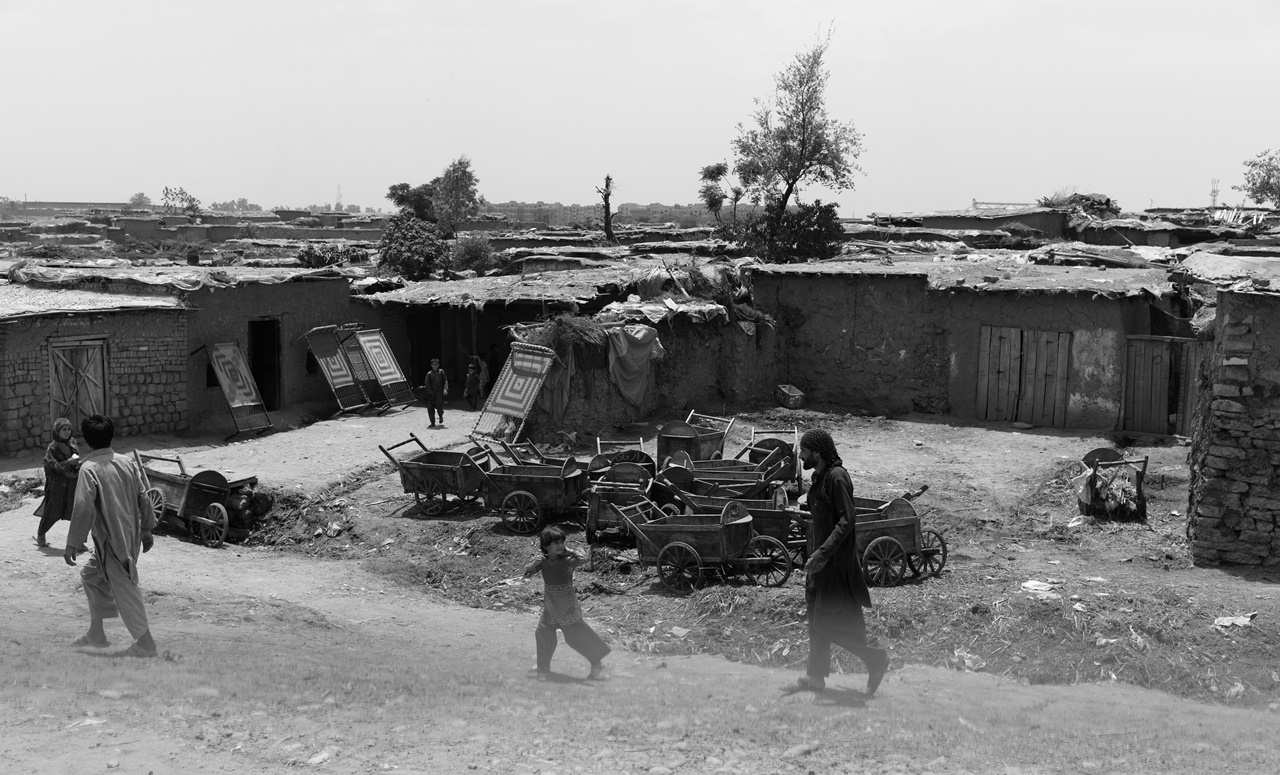
Start with one story in the archive. Name the human need, the historical context, and the reason a student team might help from where they actually are. If the only plan is “go there,” stop and read Prepare.
Read background material, identify a credible organisation or school partner, and list what you know, what you do not know, and what must be verified. Write sources on the page.
A useful project can be a fundraiser, awareness table, item drive, interview archive, translated resource, or reflection workshop. Small and finished beats large and theatrical.
Write dates, roles, sources, decisions, and outcomes. Do not use images or medical details you cannot explain. Do not invent totals.
Publish a short summary, thank people who helped, store evidence, and leave the next student team a playbook. Continuity is part of the service.
Do not promise outcomes that are not verified. Do not use suffering as decoration. Do not arrive at a service site without permission, preparation, and adult supervision when students are involved. Do not treat the six films as proof that you personally served in those places.
Preparation, ethics, safeguarding, and reflection now have their own pages so the guide can stay operational. Families and schools have doors of their own. If you are building an auction committee, read the auction archive as history and civic practice, not as a scoreboard.
Pick one archive theme. Write a 400-word brief with sources. Design a two-hour school action that does not require travel: a verified collection, an auction-item story workshop, a preparedness leaflet, or a reflection seminar. Finish it. Report it on one page. Hand the page to the next team. That cycle is the guide. Anything larger should wait until supervision, consent, and a partner brief exist in writing. Families and teachers should read Safeguarding before they sign off on even a small public event.