
Ethics
Ethics for student service and storytelling.
If the story needs someone else’s pain to make the student look good, the story is the problem.
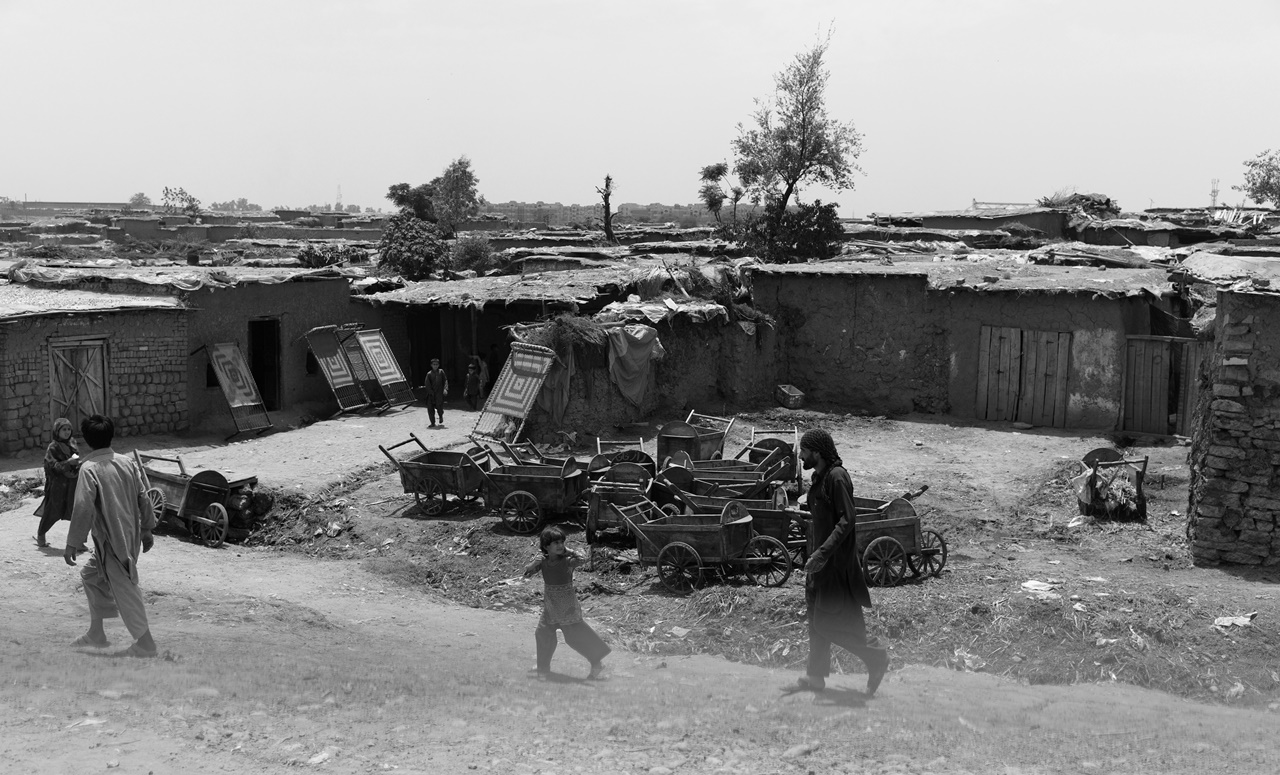
Ethics here is practical. It is the set of rules that keep a camera, a caption, and a fundraising table from becoming extraction.
Consent and dignity.
Ask before you photograph. Accept no. Do not photograph medical care, grief, or children as proof of your compassion. If an image is already in this archive, keep its context. Do not recaption it as your fieldwork.
Claims.
Say what you did. Do not say what you cannot show. Do not imply that a student auction rebuilt a city. Do not attach a live donation appeal to a historical disaster film unless a present-day verified organisation is clearly named and separate.
Money and credit.
Two people should see the record. Receipts should be stored. Public thanks should be accurate. If a partner does not want to be named, that is a reason to be quieter, not to invent a more famous partner.
The student is not the subject.
Write with specific nouns. Avoid saviour verbs. Centre local staff and the limits of your role. The companion essay is how to read a volunteer story ethically.
Reading the six stories without extraction.
The cinematic design of volunteer& is part of the original archive. That does not make every still available for a mood board. Keep the caption. Date the source. Do not invent names or medical details to make a school essay feel intimate. Do not crop a face from Kalighat or a disaster page into a poster about your club.
When students write about displacement or earthquake recovery, they should prefer public, checkable context over rumour. If the archive note is incomplete, say so. Incompleteness is information. Filling the gap with a stereotype is the ethical failure.
Group projects.
Agree in writing who can post, who holds money, and who can speak for the team. A student who wants a personal brand from the work should be redirected to the handoff note. Credit belongs to the people who did the unglamorous hours and to the local staff who were already there.