
Reflection
Reflection that can be shown to a teacher.
If the only sentence you can write is that you were changed, write smaller sentences until the work reappears.
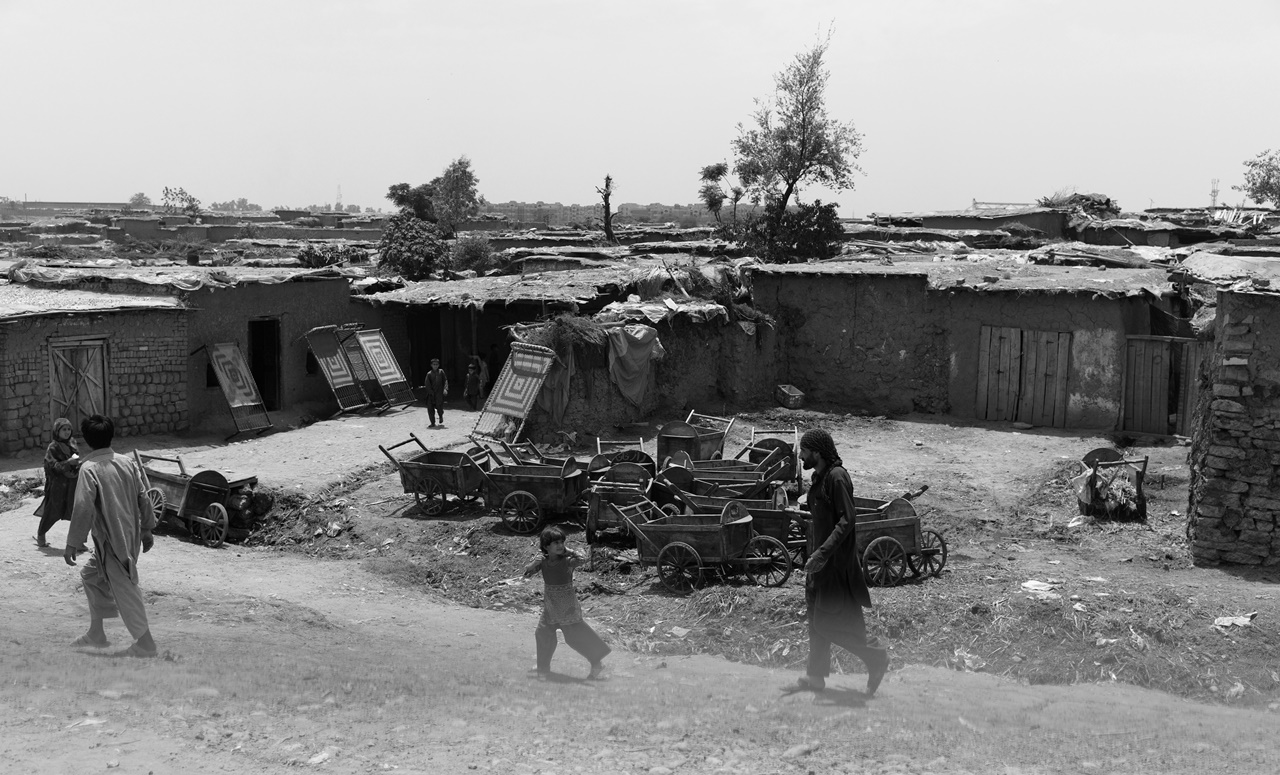
Reflection is a record, not a performance. volunteer& uses a four-column log so students do not smuggle guesses into the fact column.
After each session.
- What did I do, and who else was working?
- What did I observe that I could point to?
- What did I infer, and how could that inference be wrong?
- What will I do or stop next time?
After the project.
Write a handoff: files, contacts that may be shared, unfinished tasks, and mistakes. Thank people specifically. If money moved, attach the record. If you studied an archive story rather than serving in that place, say so in the first paragraph.
Longer classroom language is in service-learning reflection. Portfolio shape is in volunteer portfolio.
Prompts that stay specific.
- What did local staff or teachers already know that I did not?
- Which sentence in my notes is an observation, and which is a guess?
- If I remove myself from the story, what work remains visible?
- What would I refuse to photograph next time?
- What should the next student open first?
Students who only studied an archive story should begin the final reflection with that fact. “I read the tsunami-area note and watched the film” is honest. “I served in a disaster zone” is not, unless that is independently true and supervised.
Sharing without performance.
A class presentation can use a map, a timeline, and a list of sources. It does not need a soundtrack under someone else’s grief. If a student became upset, that belongs in a private conversation with a trusted adult, not in a public slide. Reflection is for learning. It is not content.