
Portfolio
Building a volunteer portfolio
Updated 2026-09-09
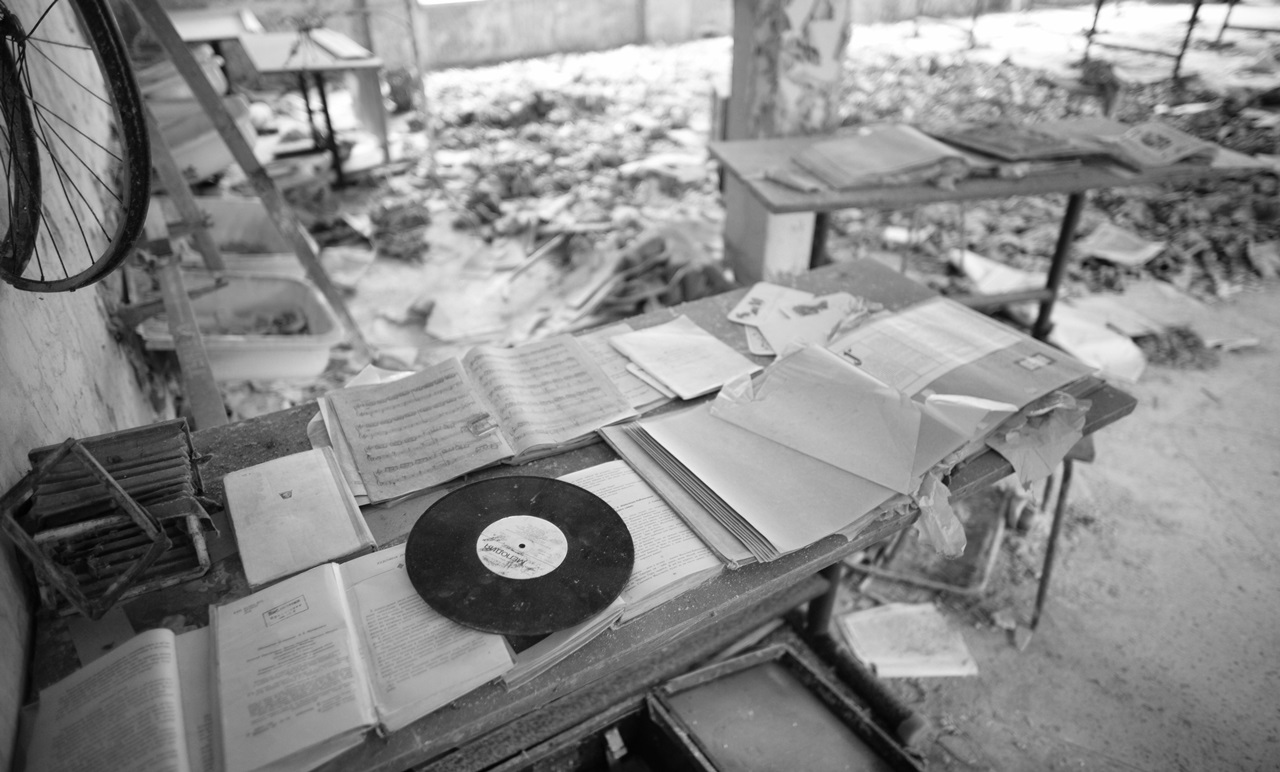
A volunteer portfolio is a file of work, not a highlight reel of other people’s lives. Admissions readers and teachers can tell the difference between a student who organised a process and a student who collected photographs.
What to include.
- Role and dates, written so a stranger could understand the job.
- The brief: the need, the constraint, the intended output.
- Evidence of process: agendas, item lists, thank-you notes, reflection logs.
- What you still do not know.
- What the next student should do first.
What to leave out: medical details, children’s faces without consent, invented totals, and captions that make you the hero of a historical disaster.
Use this archive as a citation, not as fieldwork.
If a student studied the Kalighat or refugee-camp pages, they should say so. That is research. It is not the same as having served in those places. Honesty is part of the portfolio’s quality.
For the writing method, see reflection and service-learning reflection. For auction documentation, see auction as civic education.
A one-page cover sheet.
Put the project name, dates, your role, the supervising adult, and a two-sentence description of output. Then a third sentence that states the limit: “This file documents a school auction committee” or “This file documents research on the volunteer& Wenchuan archive page.” Limits make the rest of the file readable.
If you include photographs, caption them with place, year, and who took them. Archive stills from this site should be labelled as archive stills. Mixing them with your own pictures without a caption is how a portfolio becomes misleading.