
Ethics
How to read a volunteer story ethically
Updated 2026-09-09
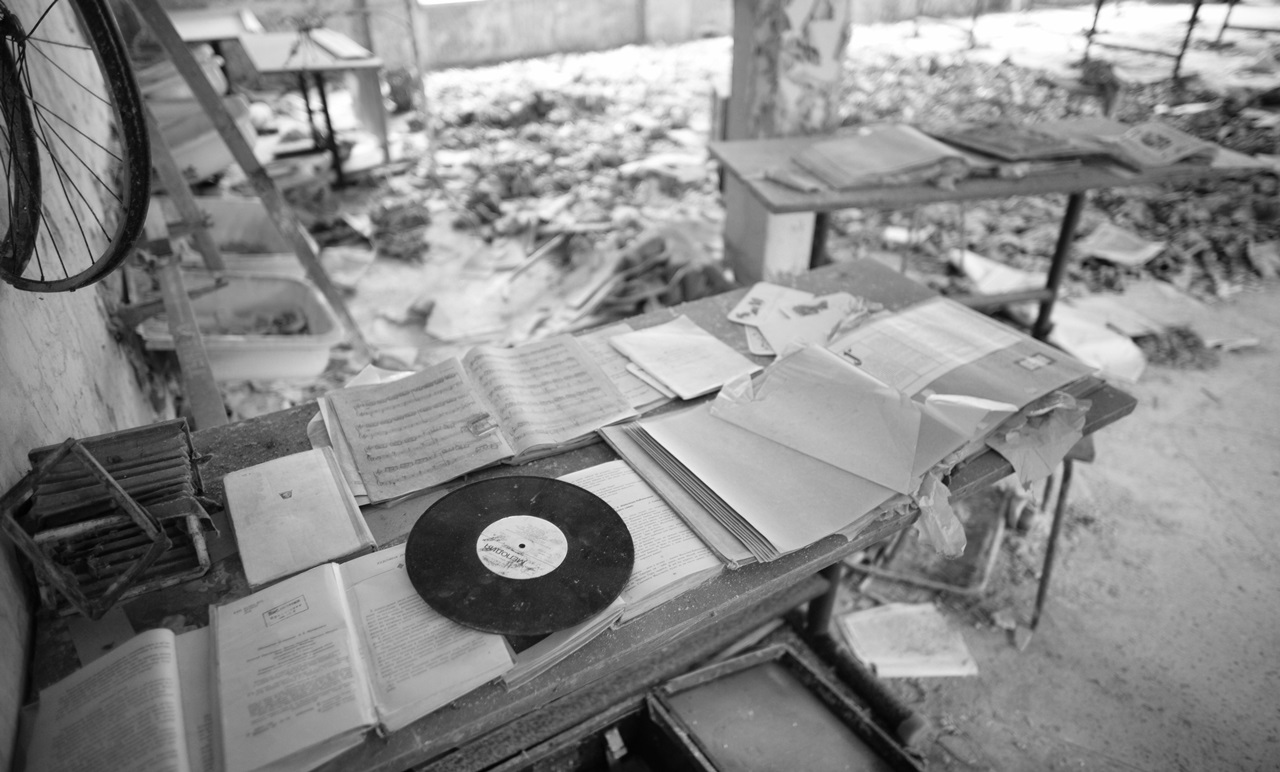
A service story can teach or it can extract. volunteer& keeps cinematic photographs and films because they are the original archive, not because suffering is a backdrop. Readers have duties.
Name the frame.
Ask who held the camera, who wrote the caption, and what year the note describes. A tsunami-area page is not a live appeal. A Chernobyl page is not a tourist brochure. A hospice page is not a test of how tough a student is. Read the original field note as a historical document, then the learning frame as a classroom tool.
Refuse the hero plot.
If the story makes the visitor the brave centre and local people a silent setting, the reader should push back. Useful questions: What labour were local staff already doing? What would dignity look like if no photograph were taken? What is the student not entitled to know?
Rules for reuse.
- Do not crop faces into memes or mood boards.
- Do not present archive images as your own fieldwork.
- Do not invent names, medical details, or outcomes.
- Quote the site, date the source, and keep language specific.
Teachers can pair this note with ethics and safeguarding. The stories remain available because memory has civic value. Memory is not a licence to perform.