
History
Disaster-response learning
Updated 2026-09-09
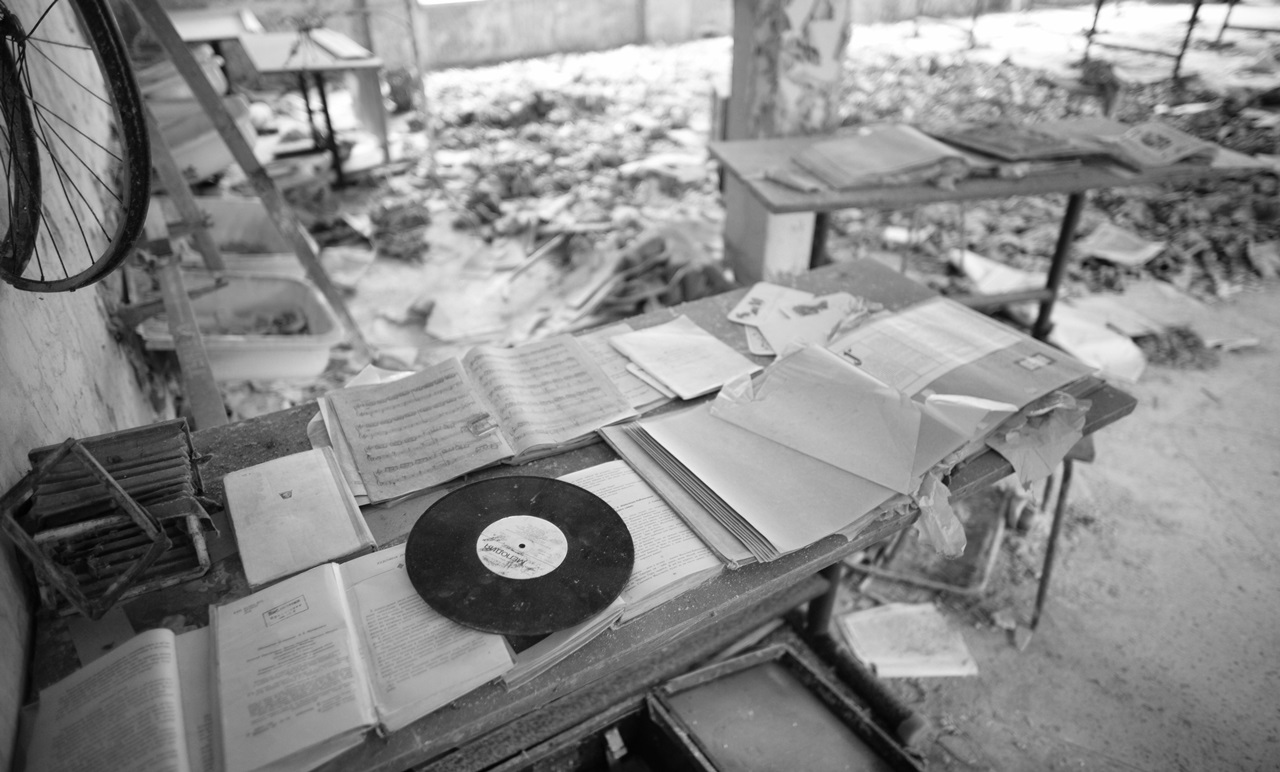
The archive includes coastal tsunami recovery and two Sichuan earthquake contexts. These pages are historical learning objects. They are not a claim that volunteer& is running live disaster operations, and they are not a current fundraising campaign for those events.
Study the stages, not the spectacle.
A useful student map is warning, rescue, relief, rebuilding, and remembrance. Different skills belong to each stage. Untrained youth rarely belong in rescue. They may belong later in school supplies, documentation, preparedness education, or fundraising for a verified organisation — if asked and supervised.
Logistics matter as much as emotion. The Ya’an note in the archive points to blocked roads. The Wenchuan note points to schools and memory after the news cycle. The tsunami note points to livelihoods, not only housing. Those distinctions are the curriculum.
Language that stays honest.
Write “the archive describes” rather than “we saved.” Write “students can study preparedness” rather than “this trip healed a region.” If a class wants to support disaster-affected people now, they should choose a present-day verified organisation and keep that action separate from the historical film.
Preparedness at home is a legitimate outcome: family plans, school drills, and careful information during an emergency. That work does not require a photograph in someone else’s wreckage.
Continue with prepare and the story pages for tsunami-area, Wenchuan, and Ya’an.