
Portfolio
From archive reading to a semester service plan
Updated 2026-09-17
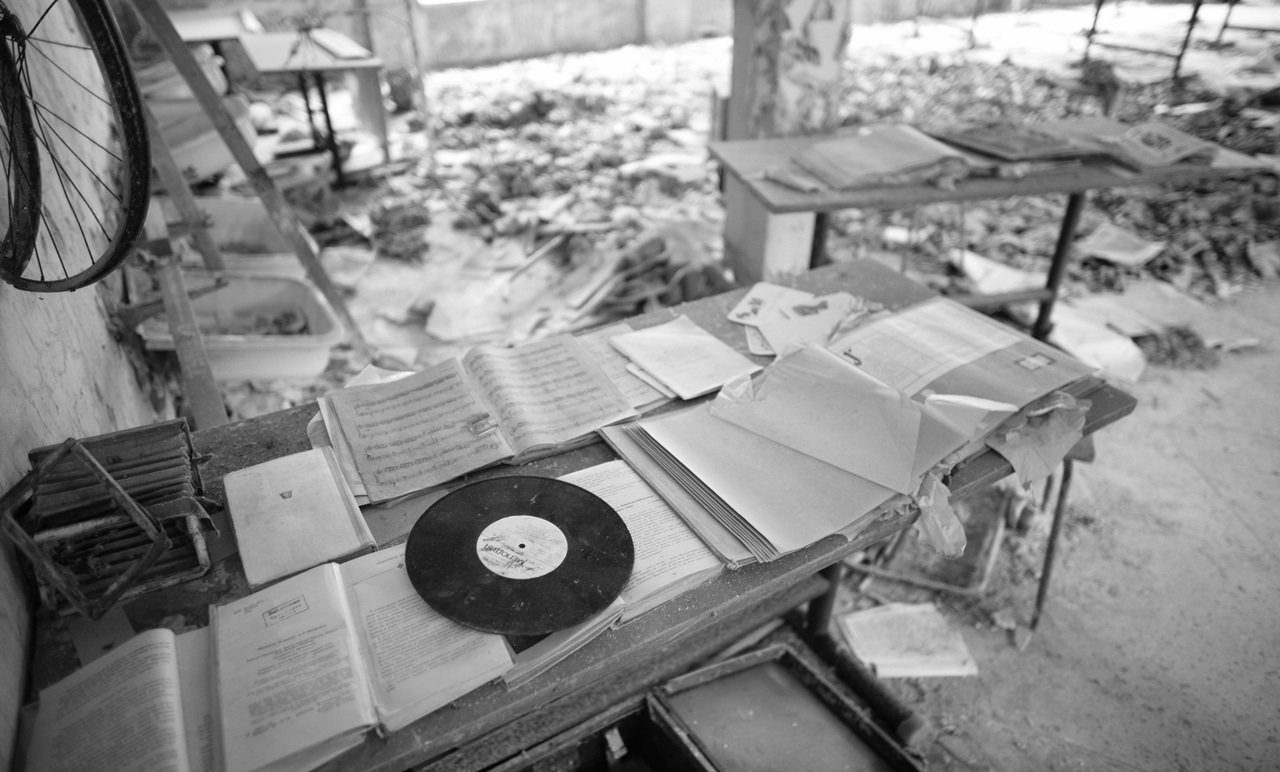
Archives are research; semesters are plans
Reading a service archive ethically is research. A semester service plan schedules roles, safeguarding, reflection, and limits a school can supervise. Confusing the two inflates portfolios.
Write a brief for local supervised service after archive study. Caption rules: no medical details, no children’s faces without consent, no invented impact. Weeks for preparation, supervised service with dated role notes, and markable reflection. No invented fundraising totals.
Operational checklist 1
Treat block 1 as a named deliverable with an owner, a filename, and a review date. Write the failure mode before you write the polish. If the file cannot be opened by a second reader, the cadence failed even if the conversation felt productive. Prefer a smaller scope that closes over a larger scope that only exists as intention. Keep a decision log that states what changed after feedback and what remains unknown. Refuse silent disappearance; pause with a note to the coordinator when school load collides. End the week with a shutdown ritual: save, name the next block, and calendar it. Do not invent metrics, partners, or outcomes this page cannot defend.
Operational checklist 2
Treat block 2 as a named deliverable with an owner, a filename, and a review date. Write the failure mode before you write the polish. If the file cannot be opened by a second reader, the cadence failed even if the conversation felt productive. Prefer a smaller scope that closes over a larger scope that only exists as intention. Keep a decision log that states what changed after feedback and what remains unknown. Refuse silent disappearance; pause with a note to the coordinator when school load collides. End the week with a shutdown ritual: save, name the next block, and calendar it. Do not invent metrics, partners, or outcomes this page cannot defend.
Operational checklist 3
Treat block 3 as a named deliverable with an owner, a filename, and a review date. Write the failure mode before you write the polish. If the file cannot be opened by a second reader, the cadence failed even if the conversation felt productive. Prefer a smaller scope that closes over a larger scope that only exists as intention. Keep a decision log that states what changed after feedback and what remains unknown. Refuse silent disappearance; pause with a note to the coordinator when school load collides. End the week with a shutdown ritual: save, name the next block, and calendar it. Do not invent metrics, partners, or outcomes this page cannot defend.
Operational checklist 4
Treat block 4 as a named deliverable with an owner, a filename, and a review date. Write the failure mode before you write the polish. If the file cannot be opened by a second reader, the cadence failed even if the conversation felt productive. Prefer a smaller scope that closes over a larger scope that only exists as intention. Keep a decision log that states what changed after feedback and what remains unknown. Refuse silent disappearance; pause with a note to the coordinator when school load collides. End the week with a shutdown ritual: save, name the next block, and calendar it. Do not invent metrics, partners, or outcomes this page cannot defend.
Operational checklist 5
Treat block 5 as a named deliverable with an owner, a filename, and a review date. Write the failure mode before you write the polish. If the file cannot be opened by a second reader, the cadence failed even if the conversation felt productive. Prefer a smaller scope that closes over a larger scope that only exists as intention. Keep a decision log that states what changed after feedback and what remains unknown. Refuse silent disappearance; pause with a note to the coordinator when school load collides. End the week with a shutdown ritual: save, name the next block, and calendar it. Do not invent metrics, partners, or outcomes this page cannot defend.
Operational checklist 6
Treat block 6 as a named deliverable with an owner, a filename, and a review date. Write the failure mode before you write the polish. If the file cannot be opened by a second reader, the cadence failed even if the conversation felt productive. Prefer a smaller scope that closes over a larger scope that only exists as intention. Keep a decision log that states what changed after feedback and what remains unknown. Refuse silent disappearance; pause with a note to the coordinator when school load collides. End the week with a shutdown ritual: save, name the next block, and calendar it. Do not invent metrics, partners, or outcomes this page cannot defend.
Operational checklist 7
Treat block 7 as a named deliverable with an owner, a filename, and a review date. Write the failure mode before you write the polish. If the file cannot be opened by a second reader, the cadence failed even if the conversation felt productive. Prefer a smaller scope that closes over a larger scope that only exists as intention. Keep a decision log that states what changed after feedback and what remains unknown. Refuse silent disappearance; pause with a note to the coordinator when school load collides. End the week with a shutdown ritual: save, name the next block, and calendar it. Do not invent metrics, partners, or outcomes this page cannot defend.
Operational checklist 8
Treat block 8 as a named deliverable with an owner, a filename, and a review date. Write the failure mode before you write the polish. If the file cannot be opened by a second reader, the cadence failed even if the conversation felt productive. Prefer a smaller scope that closes over a larger scope that only exists as intention. Keep a decision log that states what changed after feedback and what remains unknown. Refuse silent disappearance; pause with a note to the coordinator when school load collides. End the week with a shutdown ritual: save, name the next block, and calendar it. Do not invent metrics, partners, or outcomes this page cannot defend.