
How-to
How to write a field note you could share later
Updated 2026-10-08
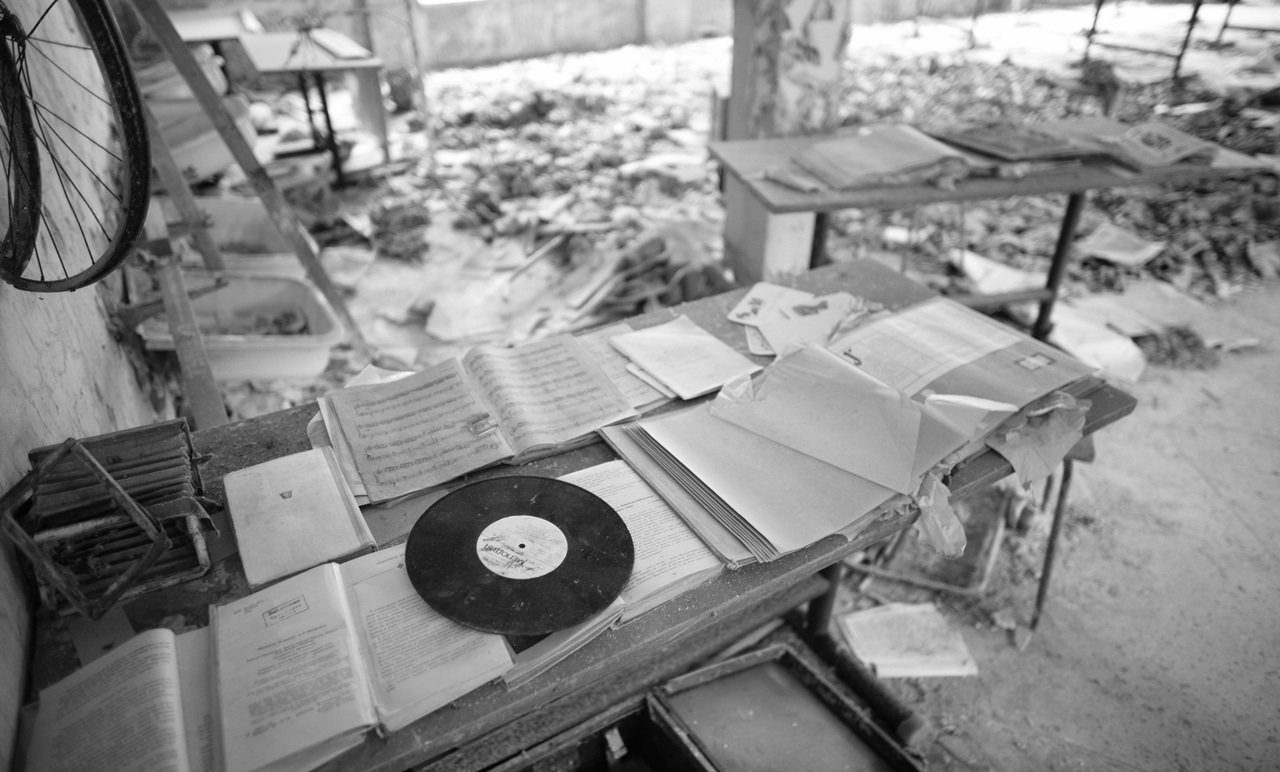
A field note is a few honest lines written the same day. Done well, it can become part of an archive without exposing the people you served.
Why field notes matter.
Service weeks produce a lot of memories and very few records. Students come home with photos, a feeling that the week mattered, and a hard time explaining what they actually did. The volunteer& archive preserves original films, field notes, and records from earlier student service projects because written notes from the time are often more truthful than stories told months later. A field note is the simplest way to start that kind of record for your own service experience.
This guide explains how to write a short daily note that is useful to you, respectful to the people and organisations you worked with, and careful enough that parts of it could be shared later if everyone agrees.
Write it the same day.
Write the note on the day itself, ideally within a few hours of finishing work. Memory edits quickly. By the next week, small details such as who made a decision, what went wrong, or what a host coordinator asked you to do differently are already fading. Ten to fifteen minutes is enough. A paper notebook works as well as a phone, and in some settings it is more respectful, since writing on a phone can look like social media use.
Four short sections.
Use the same four headings every day. What happened: the tasks you did, with times and places, in plain language. Who decided: which tasks were set by the host organisation, the school, or your team, and which you chose yourself. What I learned: one specific thing, such as a skill, a mistake, or a question you now have. What stays private: anything you saw or heard that you should not publish, and any person who did not agree to be photographed or named.
The “who decided” section is easy to skip and important to keep. It reminds you that service is usually directed by local partners, and it protects you from later describing their work as your achievement.
A short example.
What happened: helped sort donated clothes at the community centre from nine to twelve; two of us labelled boxes by size. Who decided: the centre coordinator set the sorting system; our teacher assigned pairs. What I learned: sorting is faster when one person reads labels aloud; I need to ask before moving anything into storage. What stays private: names of the families who came to collect clothes; no photos inside the collection room.
Notice that the example describes ordinary work accurately. It does not claim impact the student cannot know, and it already marks what must not be shared.
Consent before sharing.
A private field note is yours. Sharing it is different. Before any part of a note appears in a school presentation, a portfolio, a social media post, or an archive, check with the people and organisations involved. Remove names, faces, and locations that could identify vulnerable people unless they have clearly agreed. Children, patients, and people in crisis need extra care, and in many settings their images should not be shared at all.
What to avoid writing.
Avoid describing communities as helpless or yourself as a rescuer. Avoid judging people’s homes, clothes, or habits. Avoid exaggerating numbers, such as how many people you helped, when you did not count. If you feel strongly about something you saw, write it as your reaction and a question, not as a conclusion about other people’s lives.
When the day went badly.
Some days in a service week are frustrating: tasks change at the last minute, there is nothing useful to do, a team member falls ill, or you feel out of place. Write those days down too. Record what happened factually, then note your reaction separately. These notes are often the most valuable later, because they show what preparation was missing and what you would do differently. Do not turn a bad day into a complaint about the host organisation in a public post. Raise concerns privately with your teacher or programme coordinator.
For teachers and group leaders.
Teachers can support field notes by setting aside fifteen minutes each evening and writing their own note alongside the students. Leaders should not read students’ private notes without permission, but they can invite students to share one line from the “what I learned” section in a group reflection. When a school later wants to use student notes in a newsletter or display, the leader should check consent with both the students and the partner organisation first, and remove any detail that could identify people who were served.
Keep the notebook private by default.
Treat your field notebook as private unless you decide otherwise. Do not leave it open in shared spaces, and do not photograph pages that mention other people. If you keep notes on a phone, use an app that is not linked to social media accounts. Privacy by default makes it easier to write honestly, and it protects the people in your notes if your device is lost or shared.
Using notes after the week.
When the week ends, read all your notes in one sitting and underline patterns: tasks that repeated, skills that improved, questions that came back. These patterns are honest material for a reflection essay, a school debrief, or a volunteer portfolio. They also help you decide what kind of service, if any, you want to continue. For more, see how to read a volunteer story ethically, service-learning reflection, and after the service week.